

4600 Sydney delivery trip with callum whelan
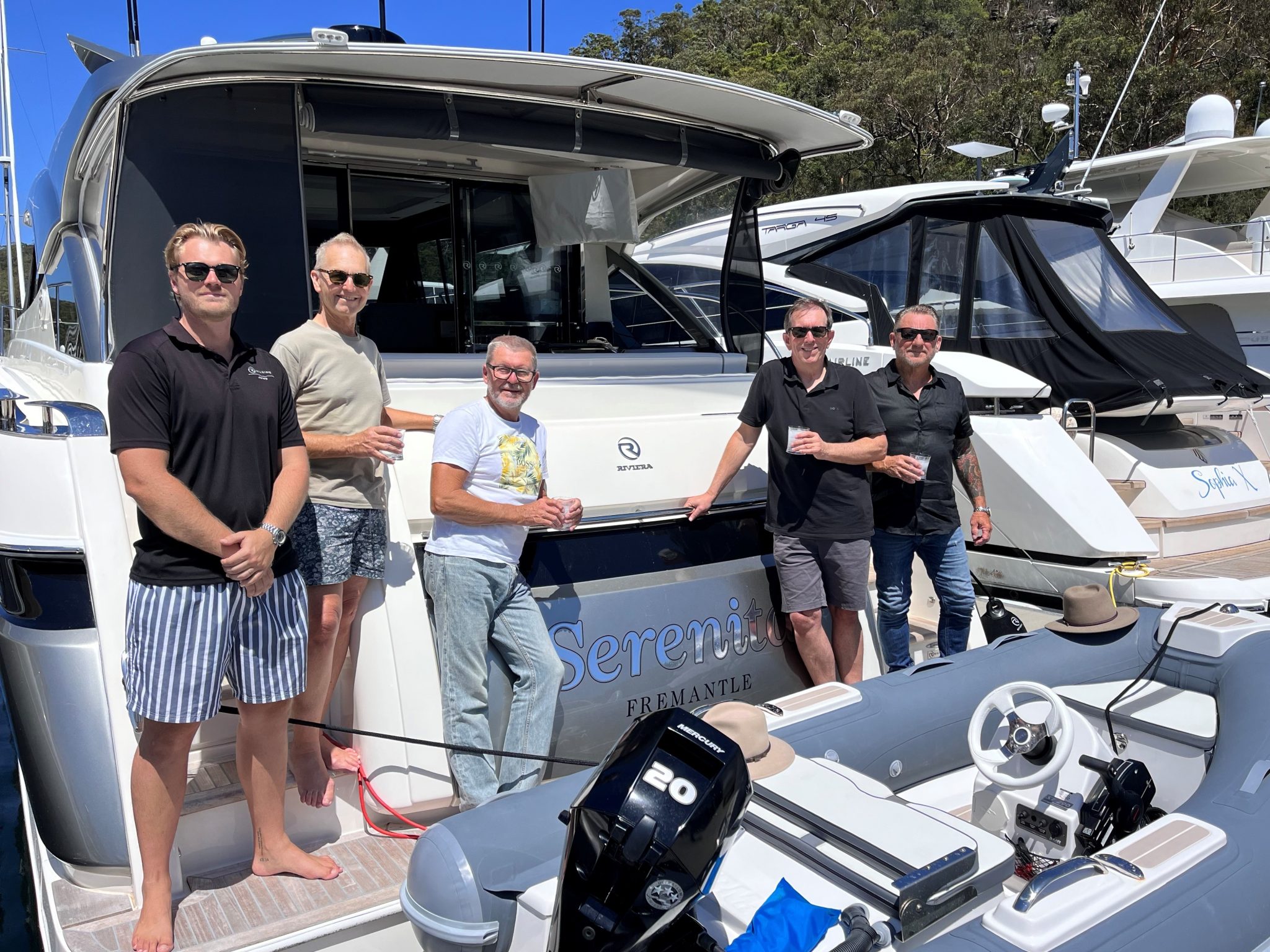
“If you are based in Queensland and have always VEntured North but are looking for new boating memories, I highly recommend discovering what Pittwater and Sydney Harbour has to offer” – Callum
I put together a Navigational Planner to ensure a safe passage for the vessel and the new owners of “Serenita”. This included safety procedures, fuel estimations, nautical mile ranges, average fuel burn, and condition reports.
Through this planner, Callum was able to track the vessels performance against a pre-calculated route, for example the expected fuel burn versus the actual fuel burn. This allows for early identification of potential issues and makes the passage a lot safer in case of emergencies.
After a night at Southport Yacht Club we left the Gold Coast Seaway early and headed South. Our first day was 235NM with a stop at Coffs Harbour for refuelling. With Australia on our right we cruised for 11 hours at 22 knots comfortably arriving in Port Macquarie at 6pm.
Day 2 was 185NM arriving in Refuge Bay at 5:30pm. The wind and swell increased so we reduced the speed to 8kn for the last leg.
Serenita and crew then spent some time exploring some of the pristine waterways of NSW.
Safety on board:
Before leaving Southport Yacht Club, Callum ran through all the safety equipment, ensuring all crew were well informed of where everything was located. Safety gear such as the life Jackets and flares must be in-date and serviced where required. The EPIRB needs to be registered with AMSA and it’s important you have a MMSI number to use the benefit’s of AIS.
Tender:
Insuring the tender is prepped for an emergency. This includes having key in the ignition and bung accessible. The tender is stored on the swim platfom so it’s best to leave the bung out to allow any water to drain while at sea. Adding extra ropes back to the main cleats is important as a back up if any ratchet strap comes loose. Having a knife handy to cut the ratchet straps if the tender is needed for emergency. Your tender could be your key flotation device at sea.
Boat seaworthiness:
Your anchor will have a safety cable but we always recommend to secure with an extra line or strap. Ensure all shower doors are secured in the closed position, same for most doors throughout the boat.
Check there are no loose items that can fall off surfaces or slide around on the floor. Pack everything away, wrap breakables in towels, place them in the dishwasher or even in an esky.
Ensure access to engine room is clear of obstructions. Ensure there is backup electronics, such as an iPad with Navionics. This also allows there to be two independent navigational aids to reduce the chance of any map errors.
Travelling in the ocean always requires an extra duty of care for your self and others on board. It’s a great idea to have your own checklist and stick to it.
Ensure another person on board has an understanding on how to operate the vessel and navigational skills. This is very important should there be an emergency.
